
2026 Hiring Data: Bootcamp vs Self Taught When AI Fluency Is Baseline

Compare bootcamp and self-taught routes using 2026 hiring data and the new AI baseline. Follow a 3 month validation plan to see which path lands...
Bootcamps win on speed and structure. Self-taught wins on cost and control. If you have three to six months of financial runway and want a peer group pushing you forward, a bootcamp gets you interview-ready faster. If you have time but not tuition, a disciplined self-study plan built around shipped projects gets you there too, just on a longer clock. Either way, take The 7-Minute Career Quiz first, because your strengths, not internet opinions, should decide this.
TL;DR:
- Bootcamps typically deliver job-ready portfolios in three to six months, while self-taught pathways can take nine to eighteen months part-time.
- The average bootcamp tuition is in the low-to-mid five figures, with financing options like income share agreements, but accurate outcome data require CIRR verification.
- Successful self-taught developers usually follow structured curricula with real projects, focusing on shipping work and building an accountable routine over longer timelines.
- Graduates from reputable bootcamps tend to get past initial resume screens faster, but self-taught candidates often perform equally well in technical assessments and final interviews.
- Testing your interest and skill with a short, self-validated plan for six to nine months minimizes risk before committing to paid training or full self-study.
Table of Contents
- Bootcamp vs Self Taught: A Side-by-Side Look
- What Do Coding Bootcamps Actually Deliver?
- Can You Really Learn to Code on Your Own?
- Do Bootcamp Grads Actually Get Hired Faster?
- How Do You Decide Which Path Fits You?
- Is There a Lower-Risk Way to Choose?
- What I'd Tell a Friend Choosing Between These Two Paths
- Turn This Decision Into a Plan You Can Act On
- Sources
- FAQ
Bootcamp vs Self Taught: A Side-by-Side Look
A coding bootcamp is a paid, structured program (usually 3 to 9 months) that compresses a software development curriculum into cohorts with instructors, career coaching, and a fixed schedule. Self-taught learning is exactly what it sounds like—you assemble your own curriculum from free or low-cost resources and set your own pace, with no built-in accountability unless you create it.
Here's how the two stack up on the factors that actually matter:
- Time to first job-ready portfolio: Bootcamp, 3 to 9 months full-time; self-taught, 9 to 18 months part-time.
- Cost: Bootcamp tuition typically runs in the low-to-mid five figures; self-taught costs are often under $500 total for books, hosting, and optional mentorship.
- Support structure: Bootcamps bundle instructors, career coaches, and peer cohorts; self-taught learners build their own support through communities, mentors, or paid coaching.
- Accountability: Bootcamps enforce deadlines; self-taught learners must manufacture their own, often through cohorts or public commitments.
- Outcome transparency: Reputable bootcamps publish CIRR-verified placement data; self-taught outcomes depend entirely on what you ship and how you market it.
One thing has changed for both paths heading into 2026: fluency with AI-for-developer workflows and tools like Copilot or Cursor-style agents is no longer a bonus skill. It's a baseline expectation, and a deployable, user-tested project is the closest thing to a universal hiring signal either route can produce.
What Do Coding Bootcamps Actually Deliver?
Bootcamps come in three main formats: full-time immersive (40 to 60 hours a week for 3 to 6 months), part-time (10 to 20 hours a week over 6 to 9 months), and online/hybrid, which mixes live sessions with self-paced modules. The format you choose should match your actual weekly capacity, not your ambition.
Tuition typically lands in the low-to-mid five figures, though the range varies widely by program length and delivery mode. Financing usually falls into three buckets: pay upfront, use an income share agreement (ISA) where you repay a percentage of salary after landing a job, or defer tuition until you're employed. Some learners are also exploring expanded 529 plan usage for workforce training, though eligibility rules vary and grant availability shifts year to year, so confirm current terms directly with a program before counting on them.
Before trusting any bootcamp's marketing page, request their CIRR-verified outcomes report, which discloses 180-day in-field placement rates and median salary at the cohort level, not just aggregated across every program the school runs.
- Ask for cohort-specific data, not company-wide averages.
- Confirm whether "placement" means a full-time developer role or any job, including unrelated ones.
- Request the actual syllabus, not a marketing summary.
- Ask how ISA terms work if you don't get placed within the promised window.
Red flags worth walking away from: vague placement definitions, no syllabus available before enrollment, opaque ISA repayment terms, and heavy reliance on internal staffing arms rather than external employer placements.
Pro Tip: If a bootcamp won't share a CIRR report or an equivalent third-party audit, treat every number on their website as marketing copy, not evidence.
Bootcamps tend to fit career changers with three to nine months of financial runway who need external accountability and can commit real hours each week, especially for immersive formats.
Can You Really Learn to Code on Your Own?
Self-taught developers succeed most often when they replace a bootcamp's structure with a curriculum that already has one built in. freeCodeCamp and The Odin Project both sequence lessons around real projects rather than isolated exercises, which matters more than the specific language you start with.
A realistic sequence for a part-time learner looks like this:
- Spend months 1 through 4 on fundamentals: HTML, CSS, JavaScript, and basic Git workflow, finishing with one small deployed project.
- Spend months 5 through 9 building a second, more complex user-facing application, ideally solving a problem for someone other than yourself.
- Spend months 10 through 14 deepening backend or framework skills based on the job postings you're targeting.
- Spend the remaining months polishing your portfolio, writing clear documentation, and practicing interviews.
Realistic timelines for part-time self-taught learners run 9 to 18 months. The milestone that matters more than any calendar date is shipping: deploy the project live, get at least one real user to click through it, and write a README that explains the trade-offs you made, not just the features you built.
Accountability is the hardest part to self-supply. Structured cohorts, open-source contributions, local meetups, and even a few paid coaching sessions can replace the peer pressure a bootcamp provides for free.
Pro Tip: A README that explains why you chose one architecture over another tells a hiring manager more about your thinking than the code itself.
Self-taught paths fit people who are already tinkering on side projects and can sustain motivation without an external deadline forcing their hand.
Do Bootcamp Grads Actually Get Hired Faster?
The honest answer depends on which hiring stage you're looking at. Aggregated 2026 hiring data shows bootcamp graduates clear the resume screen at higher rates than self-taught candidates, largely because a recognizable program name gives recruiters a quick trust signal. Past that first filter, though, self-taught candidates often perform as well or better on technical assessments, and the credential advantage mostly evaporates by the final interview.
The Bureau of Labor Statistics projects continued demand for software developers, and its wage data gives you a real number to run payback math against instead of guessing.
Here's the formula that actually matters for deciding whether tuition is worth it:
- Total investment = tuition paid + income lost during full-time study.
- Incremental annual salary = expected new salary minus your current salary (or expected salary with no credential).
- Payback period = total investment divided by incremental annual salary.
A bootcamp that costs tens of thousands in tuition plus lost income against a substantial salary bump can pay back within a few years, well within most people's career horizons.
Credentials still carry weight for some enterprise employers with rigid hiring pipelines. For startups and most product teams, a shipped project and the ability to explain your decisions outweigh where you learned to code.
How Do You Decide Which Path Fits You?
Run through these questions before you spend a dollar or a month:
- How much financial runway do you have, and does it cover three to nine months without full-time income?
- Have you already shipped one small project, even a rough one?
- Do you need external deadlines to stay consistent, or do you self-motivate well?
- Is your target employer type a large enterprise (values credentials more) or a startup (values portfolio more)?
- If considering a bootcamp, can they show you a CIRR report with cohort-level, 180-day placement and salary data?
- What's the actual cohort size, and who delivers career services, staff or outside recruiters?
- If self-taught, do you have an accountability plan: a cohort, mentor, or public commitment?
Rules of thumb: Pick a bootcamp if you need structure and can afford the payback period. Pick self-taught if you have time but not tuition and already show signs of self-direction. When you're unsure, run the hybrid approach below before committing to either extreme.
Is There a Lower-Risk Way to Choose?
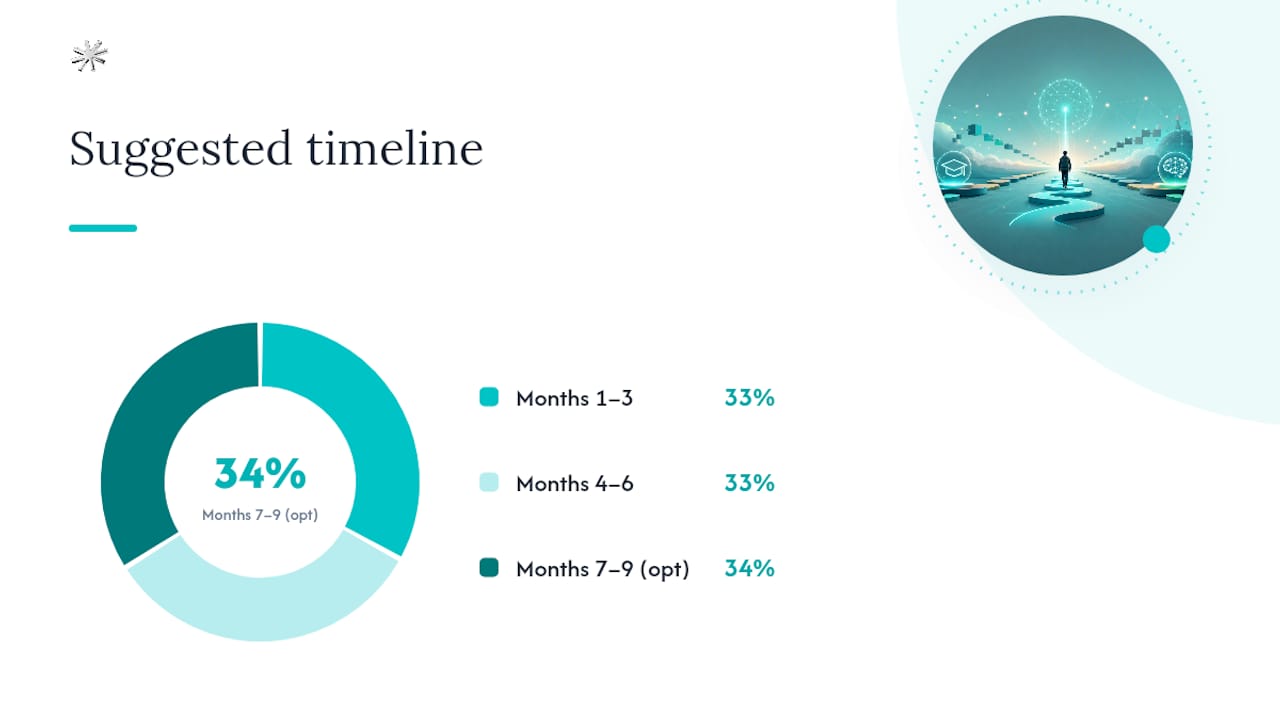
Testing your interest and basic capability before paying tuition is the single best risk-reduction move available. A short, targeted program purchased after self-validation avoids both failure modes: quitting a bootcamp mid-program or drifting through self-study with no structure.
A sample 6 to 9 month plan:
- Months 1 to 3: Self-study fundamentals and ship one deployable minimum viable project.
- Months 4 to 6: Focus on interview practice and computer science fundamentals, using free resources first.
- Optional months 7 to 9: Enroll in a short, targeted program only to fill specific gaps like interview prep, algorithm depth, or employer networking.
Before paying for that optional program, check three things: you've shipped a real project, you can pass a mock interview at a reasonable rate, and you feel confident explaining your code out loud. If all three are shaky, a short program's career services and structured accountability may be worth the cost.
What I'd Tell a Friend Choosing Between These Two Paths
Most advice on this topic treats bootcamp and self-taught as a permanent identity choice, and that's the wrong frame. The data on resume screens versus technical assessments tells a clearer story: credentials open doors, but shipped work keeps you in the room. Treat your first three months as a test, not a commitment, and let evidence, not sunk cost, decide what happens next. Quiz and roadmap tools exist to make that decision less of a guess.
— Shane
Turn This Decision Into a Plan You Can Act On
Reading about bootcamp versus self-taught only gets you so far. What actually moves you forward is knowing your own strengths well enough to pick the path that fits them, not the one with the loudest marketing. The 7-Minute Career Quiz matches you to career paths based on how you actually think and work, including ones you may not have considered yet.
From there, NueCareer's free career skills assessment shows you exactly which gaps to close before spending a dollar on tuition, and the free job description analyzer turns real job postings into a targeted study list. If you're leaning bootcamp, run the quiz first so you enroll with a clear sense of fit instead of a hunch. If you're leaning self-taught, use the same tools to build a roadmap with real milestones instead of an open-ended to-do list. Take the quiz now and get a plan built around your actual strengths.
Sources
- BLS: Software developers and software quality assurance analysts and testers
- CIRR school data
- Is a coding bootcamp worth it? (CollegeValuesOnline analysis)
- freeCodeCamp
FAQ
What Are the Downsides of Bootcamps?
The biggest downsides are cost, compressed timelines that assume 40 to 60 hours a week for immersive formats, and inconsistent outcome reporting from programs that won't share CIRR-verified data.
Are Bootcamps Still Worth It in 2026?
They're worth it when the program has verified 180-day placement data, a transparent syllabus, and your financial runway covers the payback period; they're a poor bet when placement claims are vague or unaudited.
Are Bootcamps Really Worth the Money Compared to Self-Study?
It depends on your timeline and finances: bootcamps compress time at a real cost, while self-taught paths cost less but take longer and require you to build your own accountability, so the better option is the one that matches your constraints, not a universal answer.
Is Bootcamp as Hard as People Say?
Immersive bootcamps genuinely demand 40 to 60 hours a week for months at a time, and that pace is closer to a full-time job than a class, which is why runway and discipline matter more than raw talent going in.
How Do I Know Which Path Fits Me Better?
Taking The 7-Minute Career Quiz is the fastest way to match your working style and strengths to a path, since the right answer depends more on how you learn and stay accountable than on generic pros and cons.