
What Is Career Coaching Explained for Professionals

Discover what is career coaching explained. Learn how it helps you clarify goals, enhance skills, and achieve professional success.
TL;DR:
- Career coaching is a structured partnership that helps individuals clarify goals, develop plans, and stay accountable. It focuses on future actions like resume strategy and career pivots, unlike therapy or mentorship. Effective coaching builds lasting decision-making skills, not just short-term job solutions.
Career coaching is defined as a structured, professional partnership that helps individuals clarify their career goals, build a plan to reach them, and stay accountable throughout the process. Unlike a casual conversation with a mentor or a session with a therapist, career coaching is forward-focused and action-oriented. It covers everything from resume strategy and interview preparation to salary negotiation and long-term career planning. If you have ever felt stuck, underpaid, or unsure which direction to take next, understanding what is career coaching explained in practical terms is the first step toward changing that.
What is career coaching, and how does it work?
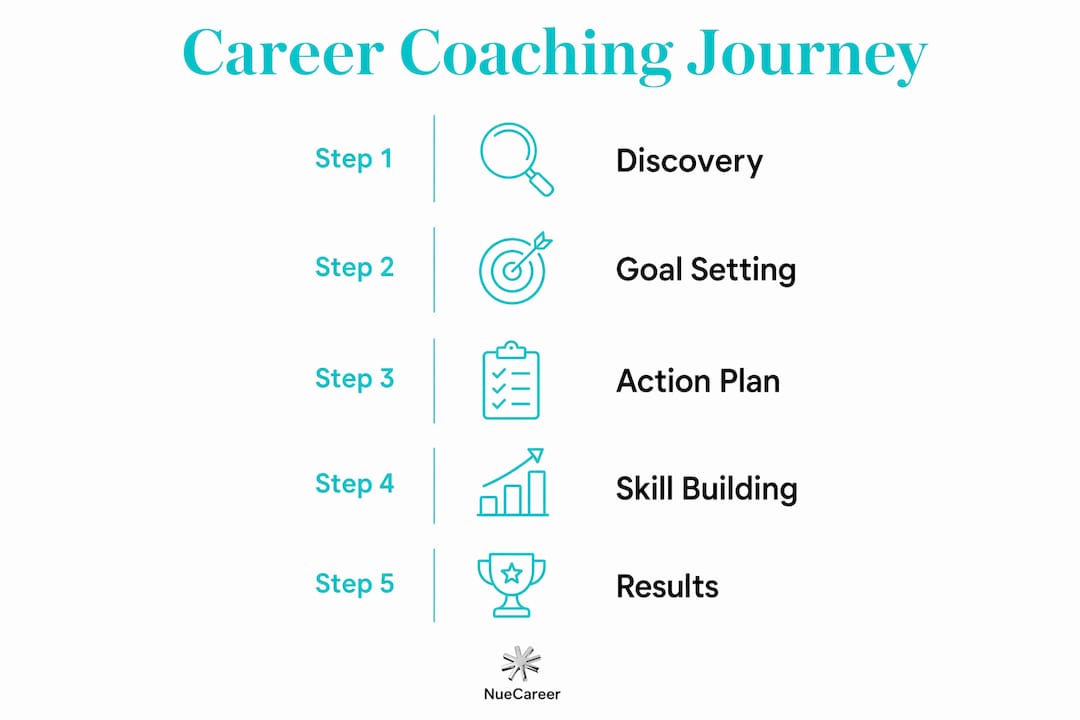
Career coaching is a professional, action-oriented process that guides you from where you are now to where you want to be professionally. A coach does not tell you what job to take. Instead, they help you identify what you actually want, map out a realistic path, and hold you accountable for taking the steps to get there.

The process typically begins with a discovery session where you and your coach assess your current situation, strengths, and goals. From there, sessions focus on specific challenges: refining your personal brand, preparing for interviews, or navigating a career pivot. The coach assigns work between sessions, such as values assessments or networking logs, to keep progress moving.
Career coaching is not passive. You bring the effort; the coach brings the framework and objectivity. That combination is what separates coaching from simply reading a career book or watching a YouTube video.
How does career coaching differ from mentorship and therapy?
Career coaching, mentorship, and therapy are three distinct services that professionals often confuse. Knowing the difference helps you choose the right support for your situation.
Career coaching vs. mentorship
- Career coaching is structured, time-bound, and led by a trained professional with a defined plan.
- Mentorship is informal, relationship-based, and driven by a mentor's personal experience in a specific field.
- A mentor shares what worked for them. A coach helps you figure out what will work for you.
Career coaching vs. therapy
- Therapy is past-focused. It addresses emotional patterns, trauma, and mental health.
- Career coaching is present and future-focused. It addresses goals, decisions, and strategy.
- If you are processing grief, burnout, or anxiety at a clinical level, therapy is the right first step. Coaching builds on a stable foundation.
Career coaching vs. job placement
- Recruiters and job placement agencies work for employers. Their goal is to fill a role.
- A career coach works for you. Their goal is to help you land the right role on your terms.
Professional career coaches provide objectivity that friends and family simply cannot offer. When you are at a career crossroads, an unbiased thinking partner without a personal stake in your decision is one of the most valuable resources you can access.
What does a career coaching engagement look like in 2026?
Career coaching has a clear structure, and knowing what to expect removes the guesswork before you invest.
Session length and duration
Typical engagements last 3–6 months, starting with an initial discovery session of 60–90 minutes. That first session establishes your roadmap. Subsequent sessions are usually 45–60 minutes and focus on executing specific parts of the plan, from refining your LinkedIn profile to practicing salary negotiation scripts.
Pricing in 2026
| Format | Typical Cost |
|---|---|
| Individual session (per hour) | $150 |
| 3-session starter package | $420 |
| 6-session job search program | $810 |
| Group coaching (per person) | $62–$125 |
Pricing data is current for Q2 2026. Group coaching is a practical entry point for professionals who want structured guidance at a lower cost. Individual packages offer more personalization and are better suited for complex transitions like switching industries or targeting senior roles.
Common coaching formats
Coaches typically specialize in one or more formats. Clarity coaching helps you identify the right direction when you feel lost. Job search mastery programs focus on resume writing, interview prep, and offer negotiation. Skill-building workshops target specific gaps like executive presence or stakeholder communication.
Pro Tip: Ask any coach you are considering whether they specialize in your specific situation, such as career pivots, re-entry after a gap, or senior leadership transitions. A generalist coach may not have the depth you need.
What are the key benefits of career coaching for professionals?
Career coaching delivers benefits that extend well beyond landing a new job. The most significant gains are structural: you build skills and frameworks that serve you across your entire career.
Core benefits professionals report:
- Clarity on direction. You stop second-guessing and start moving with purpose.
- Stronger job search skills. Resume writing, LinkedIn optimization, and interview performance all improve with targeted coaching.
- Better decisions under pressure. A coach helps you evaluate offers, counteroffers, and pivots with a clear head.
- Accountability. Knowing someone will check your progress between sessions keeps you moving when motivation dips.
- Long-term career navigation. You leave coaching with a repeatable process for future decisions, not just a solution to today's problem.
"Career coaching is best treated as a strategic framework to build repeatable decision-making skills for career changes, not just as motivational support." — What Is Career Coaching?
That last point matters more than most professionals realize. Many people enter coaching expecting a short-term fix. The real return on investment is the ability to navigate career changes independently after the engagement ends. You are not just solving one problem. You are building a skill set for every career decision that follows.
The objectivity a career coach provides is especially valuable during high-stakes moments: a layoff, a promotion decision, or a choice between two very different paths. Friends and family give advice filtered through their own fears and hopes for you. A coach gives you a clear mirror.
How can you maximize the value of career coaching?
Getting the most from career coaching requires preparation, honesty, and active participation. Showing up to sessions without a clear sense of your goals wastes both time and money.
Prepare for your initial diagnostic session. Bring a clear timeline of your career history, your top three pain points, and your goals for the next 12 months. Initial diagnostic sessions last 60–90 minutes and set the entire roadmap. Walking in unprepared delays progress by weeks.
Know what type of coaching you need. Directive coaching gives you explicit advice and tactical guidance. Non-directive coaching uses questions to help you reach your own conclusions. Mismatching your style preference to your coach's approach is one of the leading causes of coaching failures. Ask about style before you commit.
Complete your assignments between sessions. Coaching is an active process. Clients who complete homework, such as networking logs, values assessments, or mock interview recordings, see measurably better results than those who treat sessions as the only work.
Clarify whether you need a career change or a mindset shift. Many professionals feel stuck but cannot identify whether the problem is external (wrong role, wrong company) or internal (fear, limiting beliefs). Addressing the wrong issue wastes resources and extends the timeline.
Set realistic expectations. A 3-month coaching program will not fix 10 years of career drift overnight. Progress is real but incremental. Celebrate small wins and trust the process.
Pro Tip: If you find yourself dreading sessions or feeling like the coach does not understand your industry, say so. A good coach will adjust. A great coach will welcome the feedback.
Knowing when coaching is not the right fit is equally important. If you are dealing with clinical depression, severe anxiety, or unresolved trauma, address those with a licensed therapist first. Coaching works best when you have the emotional bandwidth to act on what you learn.
Key takeaways
Career coaching is a structured, forward-focused partnership that builds the decision-making skills and career clarity professionals need to move with confidence, not just land the next job.
| Point | Details |
|---|---|
| Clear definition matters | Career coaching is action-oriented and future-focused, distinct from therapy and mentorship. |
| Structure drives results | Engagements typically run 3–6 months, starting with a 60–90 minute diagnostic session. |
| Objectivity is the core value | A coach provides unbiased guidance that friends and family cannot offer during high-stakes decisions. |
| Active participation is required | Completing assignments between sessions is what separates clients who see results from those who do not. |
| Long-term skill building | The real return is a repeatable framework for every career decision you face after coaching ends. |
What I have learned after years of watching professionals use career coaching
The most common mistake I see professionals make is treating career coaching like a vending machine. They put money in and expect a job offer to come out. That is not how it works, and coaches who promise that outcome are selling you something that does not exist.
The professionals who get the most from coaching are the ones who come in with a specific problem and genuine willingness to be challenged. Not "I want a better job" but "I have been passed over for promotion twice and I do not know why." That specificity gives a coach something real to work with.
The second thing I have noticed is that commercial experience in a coach matters enormously. A coach who has actually hired people, managed budgets, or navigated corporate politics understands the terrain in a way that a purely academic coach does not. Ask your prospective coach about their career background, not just their certifications.
Generic programs are another red flag. If a coach hands you the same 12-week curriculum they give every client, you are not getting coaching. You are getting a course. Real coaching adapts to your situation, your timeline, and your specific blockers.
Finally, the distinction between career strategy and motivational coaching is real and worth understanding. Motivation fades. Strategy compounds. The best coaches I have seen build clients a career identity framework that outlasts the engagement by years. That is the standard worth holding any coach to.
— Shane
Nuecareer's free tools to support your career clarity
Career coaching works best when you already have a clear picture of your strengths and what roles align with them. Nuecareer gives you that foundation before you ever book a session.
The free job application skills tool uses AI to identify the exact skills you should highlight for any role you are targeting. The free job description analyzer breaks down what employers actually want so you can tailor your application with precision. Both tools complement coaching by giving you concrete data to bring into your first session. Nuecareer also offers a 7-minute quiz that matches you to career paths built around your strengths, including paths you may never have considered. Start with clarity, then build from there.
FAQ
What is the career coaching definition?
Career coaching is a structured, professional partnership focused on helping individuals clarify career goals, build a plan, and stay accountable. It is forward-focused and action-oriented, covering areas like resume strategy, interview preparation, and career pivots.
How much does career coaching cost in 2026?
Individual sessions typically cost $150 per hour. Package pricing runs approximately $420 for a 3-session starter and $810 for a 6-session job search program. Group coaching ranges from $62 to $125 per person.
Who needs career coaching?
Career coaching benefits professionals who feel stuck, are considering a career pivot, want to accelerate advancement, or need structured support during a job search. It is also valuable after a layoff or during a major life transition.
How long does a career coaching engagement last?
Most engagements run 3–6 months, starting with a 60–90 minute discovery session. The timeline depends on the complexity of your goals and how actively you engage between sessions.
Is career coaching worth it?
Career coaching delivers lasting value when clients actively participate and come prepared. The primary return is not just a new job but a repeatable framework for making confident career decisions long after the engagement ends.